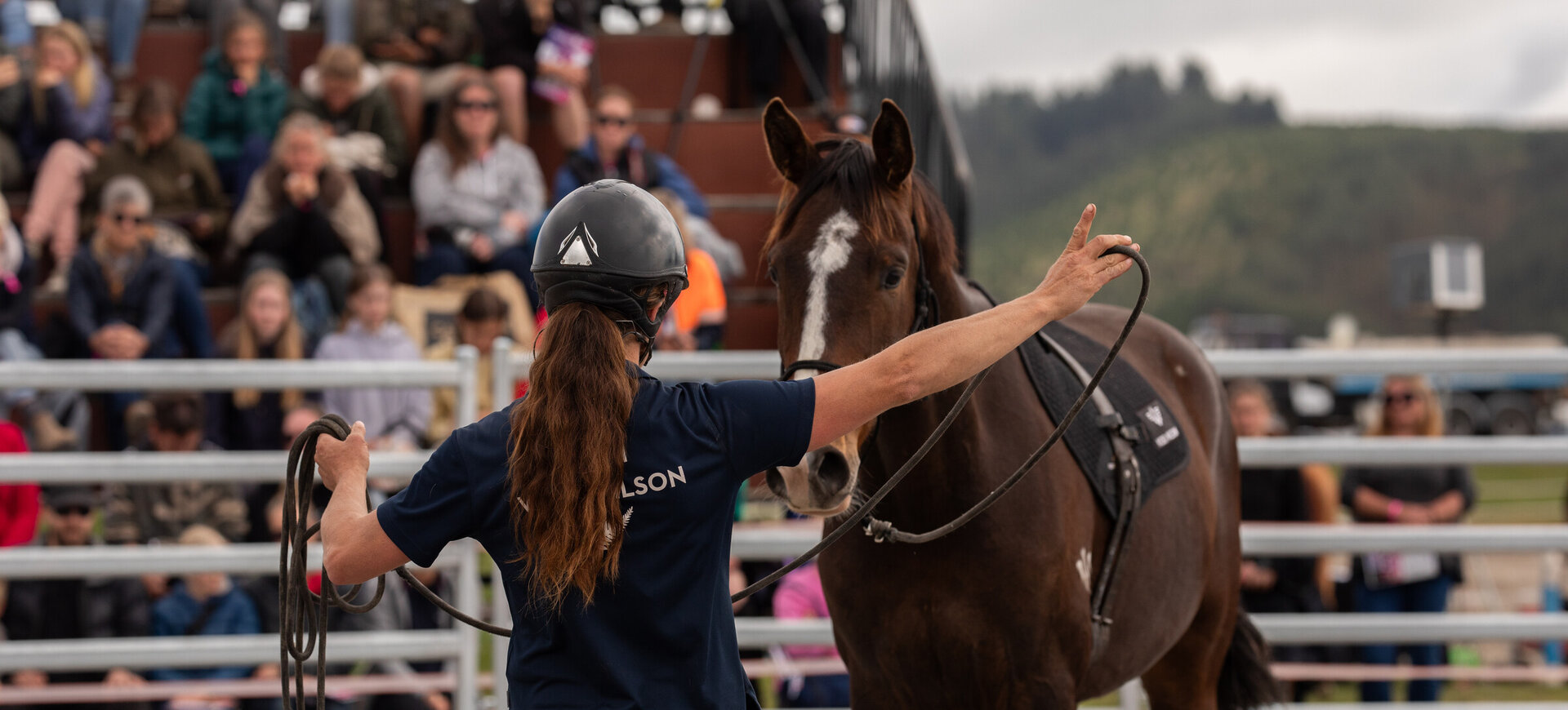
A combination of seminars, clinics and demonstrations will feature as part of Equifest’s educational lineup.
Our experts will cover a wide range of topics and disciplines relating to horse care and riding. While opening doors to new disciplines in a fun and interactive way, regardless of discipline or ability. Check out our educator list below. We will be adding new people all the time.
2026 line up
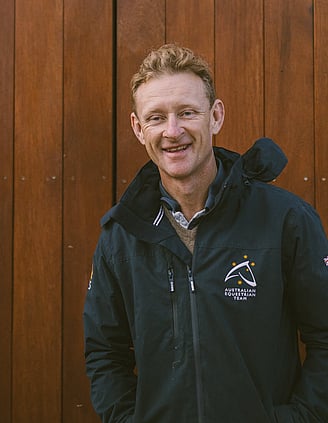
Brett Parbery
AUS
Dressage
Born into a devoted horse family in Dorrigo, NSW, Brett Parbery grew up training cattle horses with his father. He spent weekends competing in campdrafting, polocrosse, and showing. Captivated by night-time agricultural shows, he pursued a career as a saddle bronc rider, ranking among Australia's top 20 bronc riders from 1989 to 2000.
Driven by a deep love for horse training, Brett transitioned to dressage in 1998. Seeking to learn from the best, he moved to Europe in 2000, working with top trainers for three years before returning to Australia to establish his own stable. He continued regular training stints in Europe until 2016 to bring his Grand Prix horses to the world stage.
Brett’s competitive pinnacle came in 2010 riding Victory Salute, placing 10th in the World Cup Final and 8th at the World Equestrian Games in Kentucky. A 4x Australian Grand Prix Champion with over 30 national titles, Brett represented Australia at the 2010 and 2018 World Games. He narrowly missed Olympic selection in 2008 and 2016 due to misfortune, but served as the Dressage Coach for the Australian Eventing Team at the 2012 London Olympics. Using knowledge from masters like Edward Gal, Brett co-founded "Performance Riders" with Natalie Foxon, an online education and mentorship program teaching his curated training system.
Key learnings from Brett's clinics:
More info coming soon.



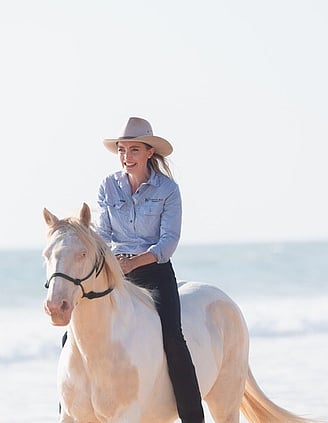
Maddy Whitford
AUS
Horsemanship
Maddy is an Australian-based horse trainer specialising in behaviour-focused horsemanship and purposeful groundwork that seamlessly transfers into ridden work. A significant portion of her practice centres on "end of the line horses"—animals that have often been labelled as difficult, dangerous, shut down, or otherwise beyond help. Rather than utilising fear, dominance, or rigid control, Maddy’s approach reframes a horse's challenging behaviour as a form of communication. Through her digital platform, educational content, and in-person training, Maddy empowers horse owners to accurately read their horses.
Her methods help both horses and humans rebuild clarity, confidence, and genuine connection by prioritising feel, precise timing, and emotional regulation. By bridging the gap between behavioural psychology and practical handling, she guides owners to create training environments that foster calmer, safer, and inherently more willing partnerships.Maddy loves teaching people how to help their horses and, with her experience, has developed methods to bring out the best in the horses she trains and let them shine.
Key learnings from Maddy's clinics:
Reading the Horse in Front of You
Every horse tells a story before we ever pick up a lead rope. Learn how to assess posture, behaviour



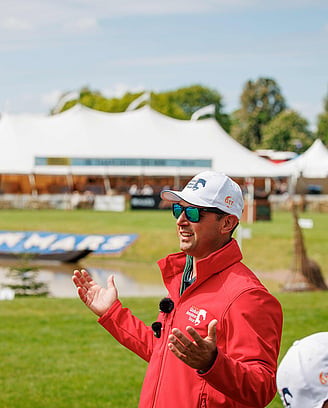
Dan Bizzarro
ITALY
Jumping
Dan Bizzarro is an international event rider and professional coach who has represented Italy at Nations Cup level and competed at the 2025 European Championships at Blenheim. He was also shortlisted for the 2024 Paris Olympics. With more than 20 years competing, coaching and training across dressage, show jumping and cross-country, Dan has worked alongside some of the world's leading coaches, including William Fox-Pitt, Caroline Moore and Ian Woodhead.
Based in Oxfordshire, UK, Dan has coached more than 500 riders and is known for his calm, practical approach to training, helping riders understand the "why" behind their riding rather than simply telling them what to do. His visit to New Zealand represents a rare opportunity for Kiwi riders to learn from a coach competing and coaching at the highest international level. At Equifest, Dan will share his expertise in jumping, eventing and developing a confident, balanced partnership between horse and rider.
Key learnings from Dan's clinics:
Each clinic focuses on the Dan Bizzarro Method, combining technical instruction with practical application.



Ben Longwell
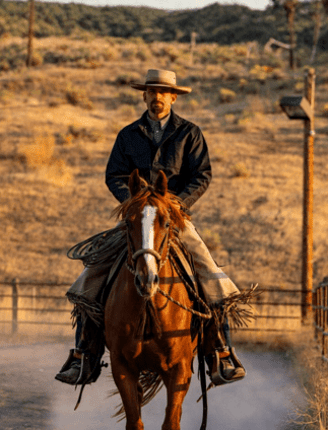
USA
Horsemanship
Ben grew up in Colorado, working on ranches and as an assistant trainer at a Quarter Horse breeding/training facility, before he and his wife, Natalie, moved to a 300,000-acre ranch in northern Wyoming, where he not only worked with horses, but also began teaching people.
Ben and Natalie moved to her native country of New Zealand for 11 years and began their full-time horse training and clinic business there. While there, Ben worked with thousands of horses and taught a wide range of well-received clinics. He presented multiple times at Equifest and began to write articles for a variety of publications internationally.
In 2022, they relocated to Oregon and continue to work to achieve their mission: to advance and develop practical skills and communication for the dedicated student of horsemanship.
Ben has taught at some of the largest Equine Expos in the US, along with his practical clinics, where participants love his knowledgeable and encouraging approach to teaching them. Resources for students around the world now comprise their free True West App, which includes select free videos, the podcast Life In The Saddle, an extensive video library and The Remuda, a private online community by subscription.
Key learnings from Ben's clinics:
Fit, history and function of this unique tool of the Vaquero from the ground to the saddle.
Learning the principles of stockmanship to refine communication and share purpose in a fun setting.
Addressing natural herd behavior causing common issues while trekking in groups
Developing advanced maneuvers using the practical setting and purpose of low-stress cattlework.



Lara Beth
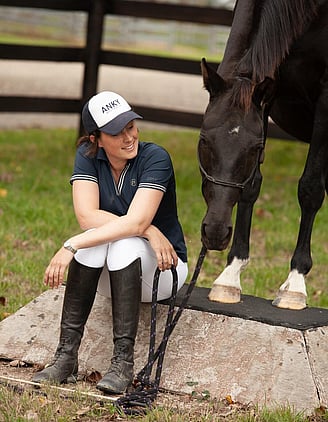
AUS
Training & Horsemanship
Passionate about making horse training simple, practical, and achievable, Lara shares easy-to-follow principles that help create happy, responsive, and safe horses. Her sessions combine real-world advice, relatable humour, and proven training methods that riders can put into practice immediately.
Across her three-part How to Train Your Unicorn series, Lara takes riders through the foundations of building confidence, communication, and connection with any horse. Starting with an unknown horse, she demonstrates her fear-free approach using three core principles: moving the feet to establish leadership, building a clear language of cues through pressure and release, and replacing punishment with understanding.
As the series progresses, Lara explores close-contact groundwork, creating a foundation that translates directly to ridden work, before advancing into refined in-hand bridle work that supports laterals, balance, and lightness.
Whether your horse is a competitive athlete, a trusted trail partner, or a unicorn in disguise, Lara’s practical approach will leave you inspired and equipped with tools to strengthen your partnership.
Key learnings from Lara's clinics:
How to train your UNICORN 101 - Where to start!
Building the Language - close contact groundwork
Advancing our UNICORN - Two rein, in hand work



Dan Steers
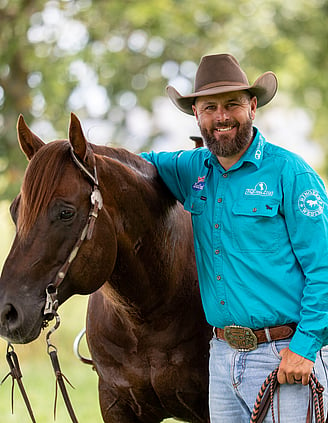
AUS
Horsemanship & Liberty
Introduced to horses in his early teens in South West Western Australia, Dan began refining his horsemanship and farrier skills at age 15 under master farrier Pete Webber. By 17, he was starting and training young horses for cutting trainer Corry Holden in Victoria, where he quickly found success winning junior and senior cutting events. In 2002, Dan returned to Western Australia to work at Taunton Vale, a prominent Thoroughbred and Australian Stock Horse stud, gaining extensive experience in breeding, training, showing, and yearling preparation.
Dan’s competitive career accelerated in 2007 when he captured the ACA Western Australian Reserve Champion Open Campdraft rider title, alongside multiple campdraft and stock horse futurity wins. In 2008, Dan partnered with Dan James, officially founding "Double Dan Horsemanship." Dan's inspiring philosophy is to create well-rounded horses that can excel in any discipline or job, and to foster the perfect equine relationship. By sharing the principles of horsemanship, Dan aims to empower his audience to communicate better with their horses, understand their reactions, and master new manoeuvres.
Key learnings from Dan's clinics:
Problem-Solving
Horsemanship



Caleb Degen
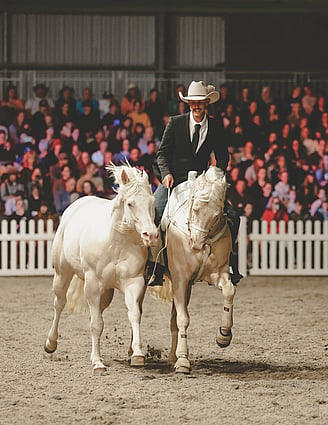
AUS
Liberty
Currently, Caleb serves as the Equine Coordinator at Australian Outback Spectacular. He has been with the show for nearly 10 years, assisting in the management and training of the horses for this acclaimed live show. His role involves overseeing their care, training, and performing alongside his equine counterparts as well as ensuring they are well-prepared for their captivating performances. He has been lucky enough to be trained and assisted in both trick riding and liberty work by one of the country's greatest Horsewomen, Zelie Bullen. Recently travelling to Africa to assist with the training of young horses and exposing them to game and wildlife within reserves in Botswana and Kenya has allowed him to bring new insight and perspective to the training and mindset of horses back in Australia.
Caleb has expanded his horizons by teaching liberty and groundwork through clinics and lessons around Southeast Queensland. His innovative approach to equine training and commitment to animal welfare reflect his deep dedication to the equestrian world. Caleb's journey showcases his genuine love for horses and his desire to share his knowledge with others.
Key learnings from Caleb's clinics:
Starting a horse at liberty
Liberty - LET THEM LEAVE!



Jim Greendyk
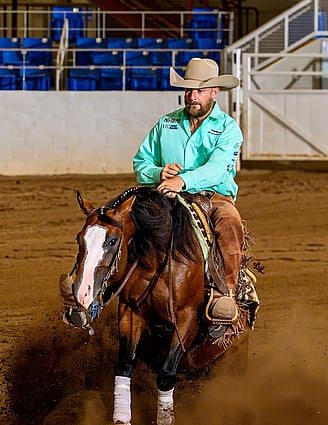
USA
Western Horsemanship/Reining
Jim journey in the horse industry is anything but conventional. He didn’t ride his first horse until he was 17, but within just 90 days, he had gone from cleaning stalls to starting colts. Over the following years, Jim started nearly 2,000 colts across Canada before launching his own training operation.
In 2005, Jim discovered reining for the first time, a moment that would shape the direction of his career. Since then, he has built a successful training program in Canada, developing reining horses from the ground up. One standout was Dun It Magnum Style, whom Jim trained in Canada before selling him to Cloverbrook Performance Horses in New Zealand. Known as “Brass”, the pair went on to win multiple derbies and open classes.
Today, Jim is based in Arizona, continuing to develop his program and pursue his goal of becoming one of the top competitive reining trainers in the industry.
Key learnings from Jim's clinics:
Discover reining, reverse-engineered.
What trainers do at home to make their horses look smooth and effortless.
Mechanics that will elevate any riding horse, at any level, regardless of your goals



Joe Gardiner
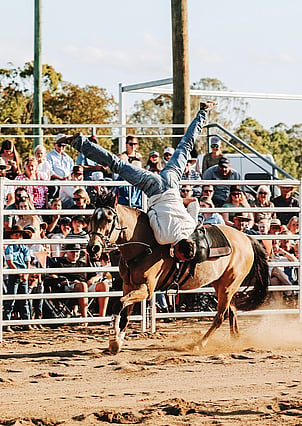
AUS
Trick Riding
Joe Gardiner's career with horses is anything but ordinary. From the glittering lights of the Australian Outback Spectacular on the Gold Coast to the awe-inspiring global stage of Cavalia, Joe has spent years performing in world-class equine productions across China, America, and Europe.
Now based on the Sunshine Coast in Australia, Joe balances life between his professional horse training business and his passion for entertainment through Laughing Stock Productions. With a flair for the dramatic and a deep connection with horses, Joe brings education and fun together in a way that's unforgettable.
Key learnings from Joe's clinics:
Come and watch as he uncovers the basics of trick riding for both horse and rider



Daniel Dauphin
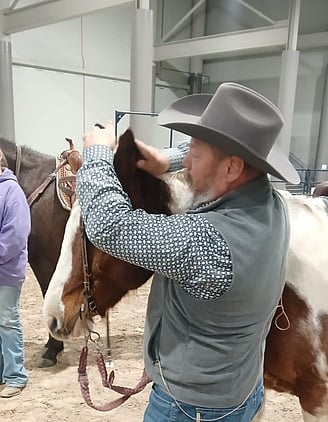
USA
Horsemanship
Daniel has trained horses for three decades. In his words "he’s given blood, sweat and tears, and that was just last Tuesday". Daniel has started racehorses, eventers, trail companions and cutting futurity prospects. After losing a bet, he has been working as a clinician since 2012. Best known for his biting video, clinics, online course, and presentations, he’s also written many articles for a variety of magazines and has a podcast, “Adult Onset Horsemanship”, where he and guests work up wet saddle pads on the issues of the day.
Daniel’s presentation style is informal and friendly. He often uses humour, logic, and strong visuals to make his points and simplify the complex. He has worked with numerous breeds and disciplines and is a generalist, focusing on the core principles of horsemanship that all disciplines should share. People have left his clinics, noticing that they get better fuel mileage, avocados stay ripe longer, and a few have even reported kind words from their mother-in-law.
Key learnings from Daniel's clinics:
Relevant Anatomy the Horse Wants You to Understand
Comfortably Setting Up Bits and Bridles from the Horse's Perspective
The Physics of Bits and What They Do and Do Not Do aka The Death of Dogma
Most of the World's "Bit Problems" are actually on Your End of the Reins. Let's talk about hands.



Keely Maidment
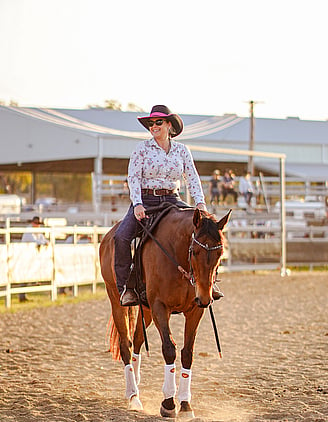
AUS
Horsemanship & Personal Development
Keely's passion for horses began at around 10 years old, and has been a constant part of her life ever since. She started her journey in the English disciplines, developing her riding skills while gaining valuable experience working at a number of horse studs. Along the way, she has had the privilege of learning from internationally recognised trainers, continually expanding her knowledge and understanding of horses and horsemanship.
In recent years, she has transitioned into the Western disciplines, but her fascination with the connection between horse and rider has remained at the heart of everything she does. Through her experience, she came to realise that many of the challenges riders face aren’t purely technical. Confidence, mindset and self-belief can play just as important a role. This inspired her to combine her lifelong passion and experience with horses with her professional coaching background to help riders build confidence both in and out of the saddle. Today, through Cowgirls With Confidence, she supports women to strengthen not only their partnership with their horse, but also the confidence they carry into every aspect of their lives.
Key learnings from Keely's clinics:
Mindset Before Mechanics – Understand what is really affecting your riding.


Ally Caldarola
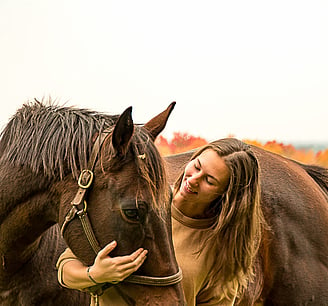
CAN
Horsemanship
Ally is an ethical horsemanship trainer who is passionate about helping horse people build stronger, more thoughtful partnerships with their horses. With more than 15 years of experience, Ally has travelled throughout North America and internationally, learning from a diverse range of respected trainers across classical dressage, vaquero, ranch, working equitation, hunter/jumper and natural horsemanship. Her approach blends the strengths of these disciplines into a practical, progressive training philosophy that focuses on achieving more with less. By prioritising both the horse's physical and emotional wellbeing, Ally helps riders overcome behavioural challenges, develop solid foundations, and create lasting results without compromising the horse.
A strong advocate for ethical horsemanship and cooperative care, Ally is committed to improving the experience of horses and the people who work with them. Through her engaging and inclusive teaching style, she encourages riders of all levels to raise their standards, challenge traditional thinking, and develop confident, sustainable partnerships built on trust, understanding, and respect.
Key learnings from Ally's sessions:
A positive reinforcement approach for creating a safer and more manageable horse to medicate.
Balancing active and passive leadership to help a horse come back down and build resilience.


Sarah Cullen
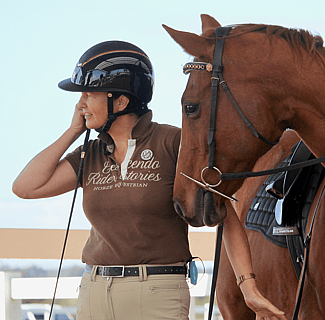
Dressage training with Ecole de Légèreté
With a lifetime in the saddle, Sarah's journey took her through Pony Club, A & H Certificates and a passion for eventing to 3* level, re-schooling horses, and ultimately discovering the principles of Ecole de Légèreté - the School of Lightness. Since 2012, she has trained in Légèreté, and since 2015 has been helping riders of all disciplines find balance, connection, and true harmony with their horses. Sarah is a trainee teacher of the school since 2022.
At Equifest, Sarah will be sharing her knowledge on asymmetry and balance, training the mouth & freeing the forehand. She will present a lecture on asymmetry, with a focus on understanding forehand loading as the key to creating balanced, flowing movement.
Key learnings from Sarah's sessions:
Légèreté: Freeing the forehand & understanding asymetry
Légèreté: Training the horses mouth - the basics in-hand

Tyson Miller
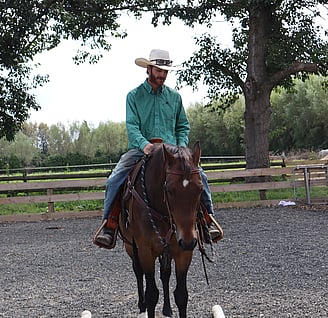
Horsemanship & Liberty
After attending several Buck Brannaman clinics, Tyson discovered a passion for horsemanship and soon found himself apprenticing under Ben Longwell of True West Horsemanship. Here, he spent 3.5 years under Bens's mentorship and gained lots of experience in colt starting, problem-solving, horsemanship and the Vaquero Bridlehorse tradition. This eclectic mix has given Tyson a well-rounded experience and has grown his passion for sharing knowledge and teaching clinics and lessons nationwide.
During Equifest, his Horsemanship for Green Horses & Colt Starting sessions will cover the tools and techniques required to build a strong foundation with young or green horses. His focus will be reading and understanding horses' behaviour whilst showing how to communicate effectively and safely.
Key learnings from Tyon's clinics:
Over the three days, Tyson aims to explain and showcase the importance of our groundwork with young or green horses in their early education stages and how this trust translates under saddle.



Kelly Wilson
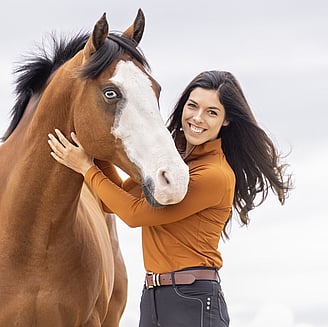
Horsemanship & Author
Number One Bestselling author, award-winning photographer, reality television star, wild horse tamer, motivational speaker, equestrian, and adventurer – Kelly Wilson is a woman whose passion permeates into everything she does. Back in 2012, when her journey with the Kaimanawas began, Kelly had no idea where her affinity for wild horses would take her. Now, alongside a list of bestselling books and award-winning photographs of wild horses, Kelly is the only trainer in the world to have achieved top six finishes in the Extreme Mustang Makeover, Australian Brumby Challenge and Kaimanawa Stallion Challenges.
In recent years, she has continued to advocate for wild horses on a global scale, taming almost 100 wild horses, and from 2018 to 2020 she spent several months living out with wild horses in Canada, America, Australia, Portugal and New Zealand to observe herd behaviour for her bestselling book Wild Horses of the World.
Key learnings from Kelly's sessions:
Dr. Wayne Linkwater & Kelly Wilson Wild horse behaviour and herd dynamics



Vicki Wilson
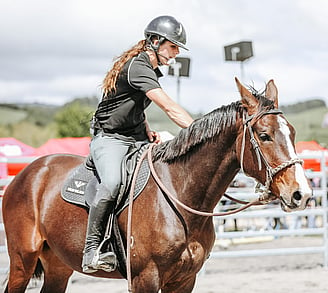
Rehabilitation, Jumping & Horsemanship
In Vicki's world, there is no such thing as a problem or naughty horse, Just a horse that has a problem- painful symptoms that are the hidden cause of that unwanted behaviour.
Every horse needs to be treated like an athlete, both physically and mentally. We need to give them the tools for them to succeed in life. In these clinics, we will look at a couple of problems and sore horses and walk through issues in their body and how we would go about helping the horse going forward.
Key learnings to take away from Vicki's Clinics:
How to identify I have a sore horse and the road to recovery
Riding with feel & lightness



Amanda Wilson
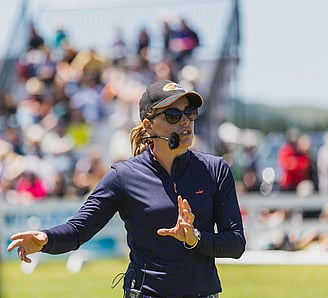
Showjumping & Mindset
Amanda is one of New Zealand’s leading coaches and showjumpers, having competed to World Cup level. She has a passion for starting and producing young horses up the levels and has earned a reputation for her keen eye for a good horse and her gentle yet effective approach to developing horses for top-level competition.
Sharing her in-depth knowledge on the mechanisms of rider position, finding the correct balance in the horse, how to produce happy and sound horses, Amanda will help with rider confidence and more. For the last five years, Amanda has been studying human trauma, which she has tied strongly to her work with horses and largely influences how she trains today.
Key learnings to take away from Amanda's Clinics:
From Tension to Confidence: Helping the anxious horse cope with pressure
The Anxious Horse: what are they trying to tell you?
Why won't my horse relax? Understanding the stessed horse



Lisa Earley
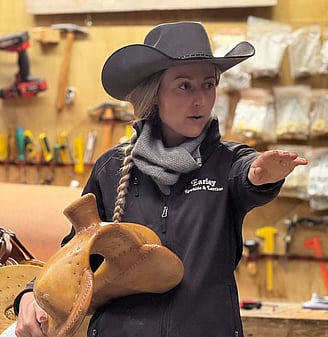
Horsemanship & Western Saddle Fit
Lisa is a Western saddle maker and fitter with a passion for horsemanship, biomechanics, and understanding how saddle fit influences both horse and rider. Her journey in the equine industry has been shaped by a desire to understand the “how” and “why” behind horses, equipment, and performance.
Lisa continues to put her knowledge into practice by starting, training, and showing her own horses in reining and ranch horse, while also testing her gear by working cattle with her husband on the family farm. Her approach is practical, evidence-based, and fact-driven, while remaining open-minded and always questioning, learning, and refining her understanding.
Key learnings from Lisa's clinics:
Discover how equine anatomy and biomechanics shape the principles of saddle fit.
A practical demonstration of recognizing good and poor fit, and factors that can influence it.


Ellie Harrison
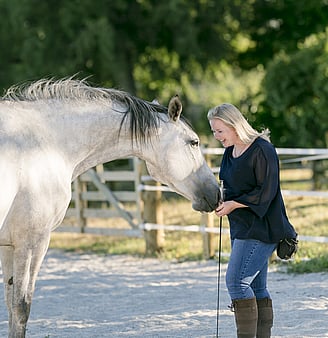
Horsemanship & Liberty
After a successful corporate career in Animal Health, Ellie followed her heart—starting a family and purchasing her dream equestrian property. From there, Wild Thyme Horsemanship was born, a business that combines her deep knowledge of horse training with her love of teaching people. Ellie believes that good horsemanship begins with understanding how horses see the world. These foundations create safe, confident partnerships, while her passion for liberty work naturally flows as a beautiful by-product of that connection.
Key learnings from Ellie's clinics:
Float loading confidence
Demystifying Liberty Part 1 and Part 2



Russell Higgins
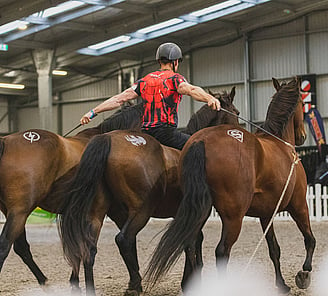
Horsemanship & Liberty
Russell and his partner Ruth own and run Brumby Farm Horsemanship Centre in Te Awamutu and offer online education to students worldwide. The connection Russell gains with his horses at Liberty is a by-product of his Foundation programme. Russell has been teaching horsemanship clinics and starting young horses professionally since 1999. To date, he has taught in 18 different countries and started young horses on four continents.
Key learnings from Russell's clinics:
Helping an anxious young horse: Russell is bringing his 3-year-old Lusitano, Riley, to Equifest for his first outing. He will share his preparations and perspective and how to help Riley cope.
Increasing your horse's safety rating: Russell will share with you things you can do to make him safer to handle on the ground and ride.
Foundation before Specialisation: What is Foundation, why is it important, and how does it help prepare you and your horse for specialisation?



Kirstin Kelly
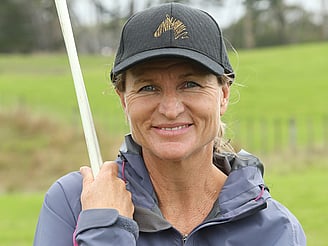
Equestrian mindset coach for Dressage, Show-jumping and Eventing
After working through the pony club system, competing at champs and progressing to horse trials, Kirsten studied in the UK achieving her British Horse Society Intermediate Instructors certificate which enabled her to coach riders to fund her own three-day eventing dreams and lead to her having a long, successful career representing NewZealand and producing a string of fantastic advanced horses. Recently Kirstin has developed her coaching platform helping mentor riders from around the world. Kirstin’s workshops help riders find-tune the competition mind to be focused, confident, resilient and optimistic.
Key learnings from Kirstin’s clinics:
- The correct, balanced, and secure position ensuring you safety, effectiveness and fabulous looks
- Building a positive mindset to have faith in yourself
- How to structure schooling sessions that build your horses skills, athleticism and desire to give you 100%


Chloe Phillips - Harris
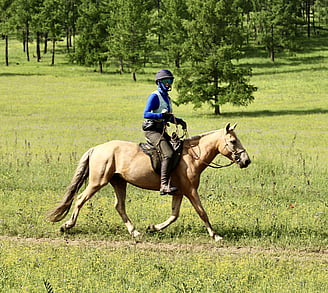
Horsemanship and eventing
Chloe Phillips-Harris has had the horse bug for as long as she can remember. These days, her career is long and diverse. She's competed at 4* eventing and produced horses to high levels in showjumping and dressage. Her understanding of horse behaviour and training has allowed her to train hundreds of wild horses, consistently get the best out of performance horses, and train some record-breaking minis.
She's also competed in the world's toughest horse race, led some of the most extreme expeditions on earth and completed 9000km in the saddle riding horses, yaks, camels and reindeer in Mongolia. Her training methods focus deeply on understanding horse behaviour and building foundations and partnerships to take you from base level to elite level riding and competing. She is all about creating happy horses and confident riders.
Key learnings to take away from Chloe’s sessions:
Learn how to understand your horses and gain skills to use at home and competition.
Learn how to be a great cross country ride with skills you can train at home.
Want to know what it takes to race the worlds toughest horse race or ride in some of the wild places



Glenn Campin
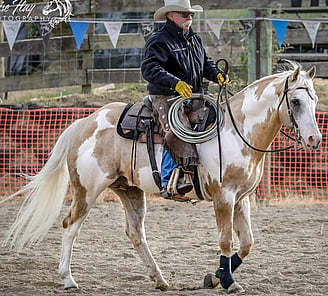
Barrel Racing
Glenn has professionally trained horses and riders in New Zealand and the USA to National and World Championships for many years. His extensive background across all disciplines, e.g., show jumping, cross country, racing, cutting, reined cow horse, reining, and rodeo events, has built his unique system for barrel racing. The thrill of developing champion combinations in the excitement of barrel racing has evolved into his love of the sport.
Key learnings to take away from Glenn's sessions:
Come and see an exciting, fun equine activity. Demonstrating barrel racing techniques that produces champions.
Anna Drabble
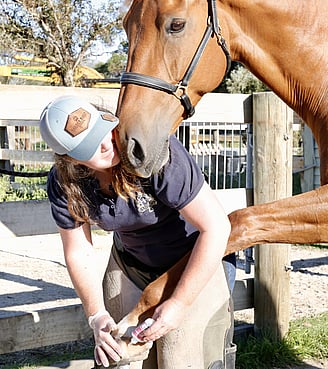
Equine Health & Hoof Care
Anna started trimming her own horses as a teenager and found a whole world of horse care beyond what was traditionally taught. Many years later, she is now a qualified Equine Podiatrist and Bodyworker and has a passion for ongoing education and skill development.
For Anna, holistic care is a fundamental principle that guides her practice. She believes in looking at the bigger picture and understanding how the hooves influence the body and vice versa. But she doesn't stop there. She also considers the horse's training, diet, and management, recognizing that these factors all contribute to the horse's overall well-being.
Key learnings to take away from Anna's sessions:
Recognising some common hoof issues, and what owners can do to help their horses hooves.
An introduction to the world of glue on shoes, Anna will be answering many of the common questions.


Jody Hartstone
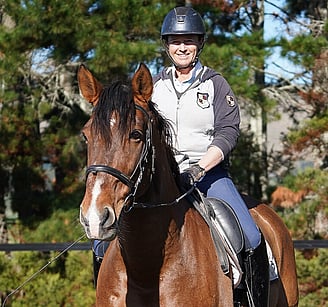
Equitation Science & Dressage
Jody equestrian journey began in Pony Club, where she says the determination often outweighed natural talent. That grit carried her all the way to international Grand Prix dressage, earning numerous national titles and international derby wins along the way. Today, Jody is recognised as one of the world’s leading practitioners of Equitation Science, specialising in applying learning theory to enhance training and solve behavioural challenges. Her work blends sport, science, and ethics, ensuring horses are not only successful in performance but also understood, respected, and willing partners.
Through her business, The Equine Catalyst, Jody offers a wide range of education opportunities. These include online courses, virtual lessons via Zoom, and clinics delivered both across New Zealand and internationally. Passionate about empowering riders with knowledge, Jody’s teaching combines her extensive dressage experience with her scientific expertise, making her clinics both practical and transformative.
Key learnings to take away from Jody's sessions:
Why the future of equestrian sport depends on more than skill in the saddle
Its true purpose, biomechanics, and how it can transform your horse’s way of going
What it is, how it works, and how to teach it—improving balance, communication, and performance


Michelle Logan
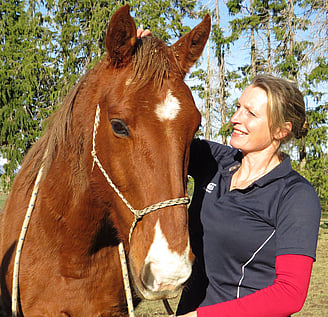
Equine Veterinarian
Michelle Logan grew up in Wales, where her love of horses began despite her non-horsey family. Her passion for animals led her to qualify as a veterinarian in the UK before moving to New Zealand, where she worked across both islands with a wide variety of horses. Now a Registered Specialist in Equine Medicine with the Veterinary Council of New Zealand, Michelle also shares her expertise through courses, workshops, and talks, helping horse owners build the skills and confidence to respond in emergencies.
Key learnings to take away from Michelle's sessions:
Replace panic with a plan. Learn essential first aid skills to act calmly & help your horse.
Be ready for wounds, lameness, choke, colic, & eye injuries. Know what to check & how to respond.
Spot colic early, understand the risks, and act confidently. Act quickly when time matters.



Bex Tasker
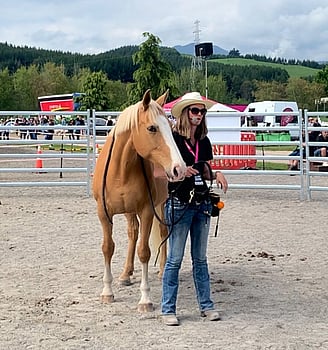
Clicker Training
Bex was always horse-mad, growing up as a pony club kid, but it wasn’t until her early twenties that her path shifted. A chance encounter with a positive reinforcement dog trainer introduced her to clicker training. She was hooked. She dived into studying the science of learning and behaviour and spent a number of years training a drug detection dog for NZ Customs. Soon Bex returned to horses with this new positive reinforcement lens—and the results were profound. The way the horses became such eager, active participants in their own training process was deeply rewarding and proved it was the path she wanted to follow.
For more than twenty years Bex has specialised in positive reinforcement with horses of all types, from foals and wild Kaimanawas to sport and trail horses. As founder of Positively Together, she teaches around NZ and internationally, helping horses and humans build confident, connected, joyful partnerships and achieve amazing results through ethical, science-based training.
Key learnings to take away from Bex's Clinics
Positive reinforcement: no cookie monsters
Ellie Harrison & Bex Tasker - How did you train that?



Lynley Bolt
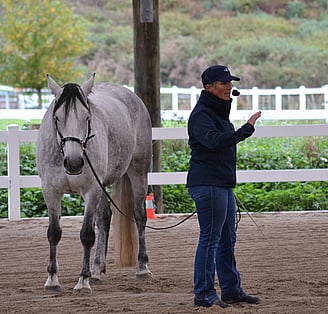
Artistic Horsemanship
For Lynley, the journey into Artistic Horsemanship began over two decades ago, driven by a deep, abiding love for horses and a fascination with the unspoken language that binds horse and rider. From a young age, the subtle, almost mystical communication between horse and human sparked a lifelong quest to nurture and understand this profound connection.
The emphasis is on creating a soulful connection that transcends mere technique. True horsemanship extends beyond physical cues, delving into an intimate bond that resonates on emotional, spiritual, and energetic levels. This connection unlocks the transformative potential within every rider and horse, revealing the beauty that emerges when they move as one.
Whether seeking to refine skills or forge a new path with a beloved horse, this approach invites stepping into a space where horsemanship becomes a spiritual practice, and every interaction with the horse is a step toward creating something truly beautiful.
Key learnings to take away from Lynley's sessions:
Bridge the gap between Groundwork and Work In-Hand, and elevate your communication.
Create a masterpiece together through In-Hand work, refining athleticism, connection, and unity.
Where every movement becomes a brushstroke in the masterpiece of your shared journey.



Julie Malcolm
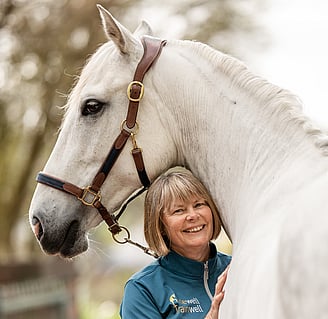
Rider Biomechanics & Dressage
Julie of Ridewell Trainwell is a dressage coach and judge passionate about helping riders become more ethical and effective, overcome fear and imbalances, and improve their ability to carry themselves well for the benefit of the horse. Inspired by watching Reiner Klimke and Ahlerich at the 1984 Los Angeles Olympics, Julie’s dressage journey began in 1993 following a serious riding accident. Her training philosophy draws on Equitation Science, learning theory, classical dressage and biomechanics. She has studied extensively with Andrew and Manuela McLean of Equitation Science International and Mary Wanless, and regularly trains at Valencia Classical Dressage Training Academy in Portugal.
Julie is certified in the Franklin Method and is a Franklin Method Equestrian Spine and Hand Trainer. She is also New Zealand’s only certified four-star Train Your Seat Embodied Rider Biomechanics coach. Her Equifest presentation will be interactive and engaging, with techniques suitable for riders of all disciplines. This year, Julie will present her off-horse workshop, “Pelvis Power”, inviting audiences to participate and experience improved movement through embodied biomechanics.
Key learnings to take away from Julie's sessions:
How to improve rider’s self-awareness, balance, and movement with simple off-horse techniques
Canter: skills and imagery to use to improve rider co-ordination and seat connection in canter
Your timing, intention and breath - cues for improved transitions and flow


Lynley Schollum
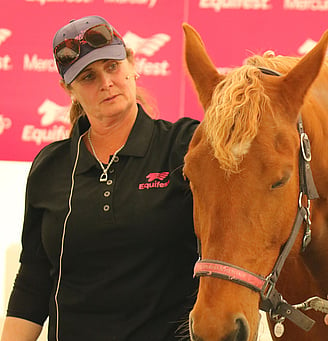
Grooming, Flatwork & Jumping
With over 40 years in horses and a background in ballet, gymnastics, and figure skating, Lynley naturally found her passion in dressage and showing. She runs The Clip Clop Shoppe in Hamilton, offering 30 years of expertise in clipping and turning out horses to the highest standard. From plaiting, mane and tail tidying, quarter marks, and show-day makeup to seasonal makeovers, Lynley loves helping riders present polished horses. She also teaches a range of flatform, from using poles to develop straightness, stride control, and rider precision.
Key learnings to take away from Lynley's seminars:
Training exercises for dressage & jumping horses


Gavin Welsh
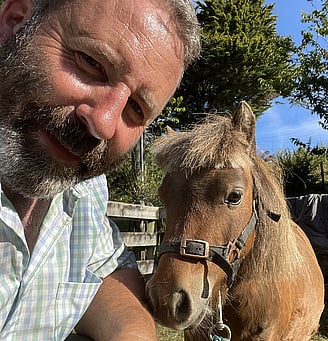
Farrier
A former dutyman in the Household Cavalry Mounted Regiment, Gavin studied the trade of farriery at the Army School of Farriery, part of the UK Defence Animal Centre, United Kingdom. Gavin’s sessions will take an in-depth look at some aspects of farriery and hoof management that should prove interesting, useful, and entertaining. Gavin will cover subjects such as shoeing for performance, laminitis, traditional and modern materials, the topical and nutritional building blocks of great feet etc.
Key learnings to take away from Gavin's seminars:
Protecting the welfare of your horse & farrier and the pros & cons of modern farriery techniques


MORE EXCITING EDUCATORS TO BE ANNOUNCED SOON!

Dates & Location
16 - 18 October 2026
Claudelands Events Centre, Hamilton